
Expertise isn’t missing. Institutional infrastructure is.
Institutions can reduce risk and help experts participate online. In a world with falling public trust, finding that balance is no longer optional.

Over the past year, I’ve had many similar conversations with health providers, professors, and public servants about how digital platforms are changing their work.
Everyone agrees on the diagnosis: people now go online first for information. Anyone can shape public opinion about a field. Trust in institutions is falling, and that affects how experts do their jobs.
For doctors and nurses, it’s becoming harder to treat patients who increasingly disregard their providers’ advice.
For public servants, it’s becoming harder to secure funding for vital work.
And in some cases, these dynamics lead to political uncertainty that poses existential risk.
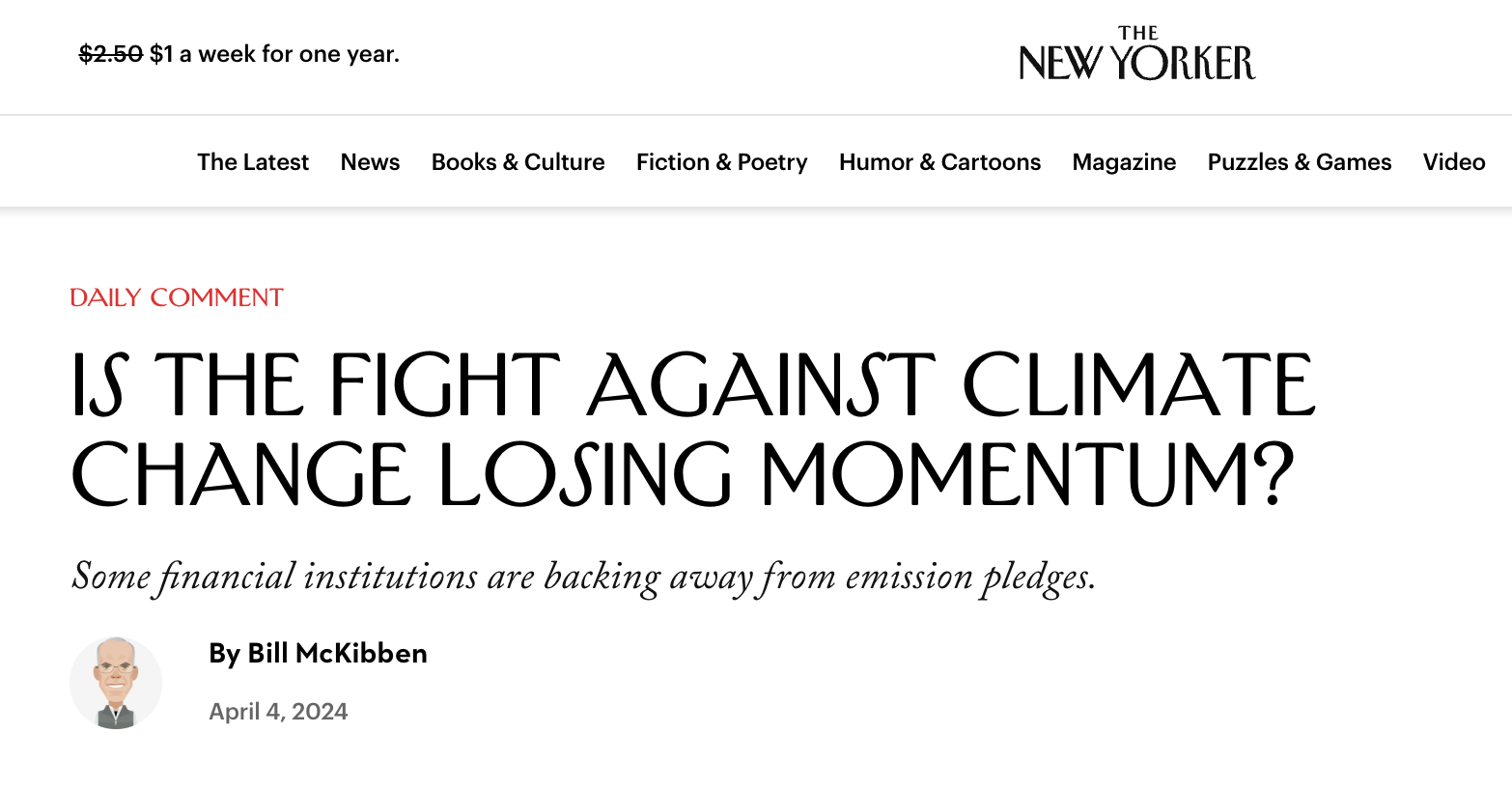
Part of the reason is that digital platforms haven’t just changed how people access information — they’ve changed how people decide whom to trust. Institutional credentials still matter. But they now compete with other credibility signals: accessibility, familiarity, and personal relatability.
And yet, when I ask experts whether they would participate online themselves — to help make their knowledge more accessible, familiar, and relatable — the conversation almost always takes a turn. Hesitation sets in.
◾
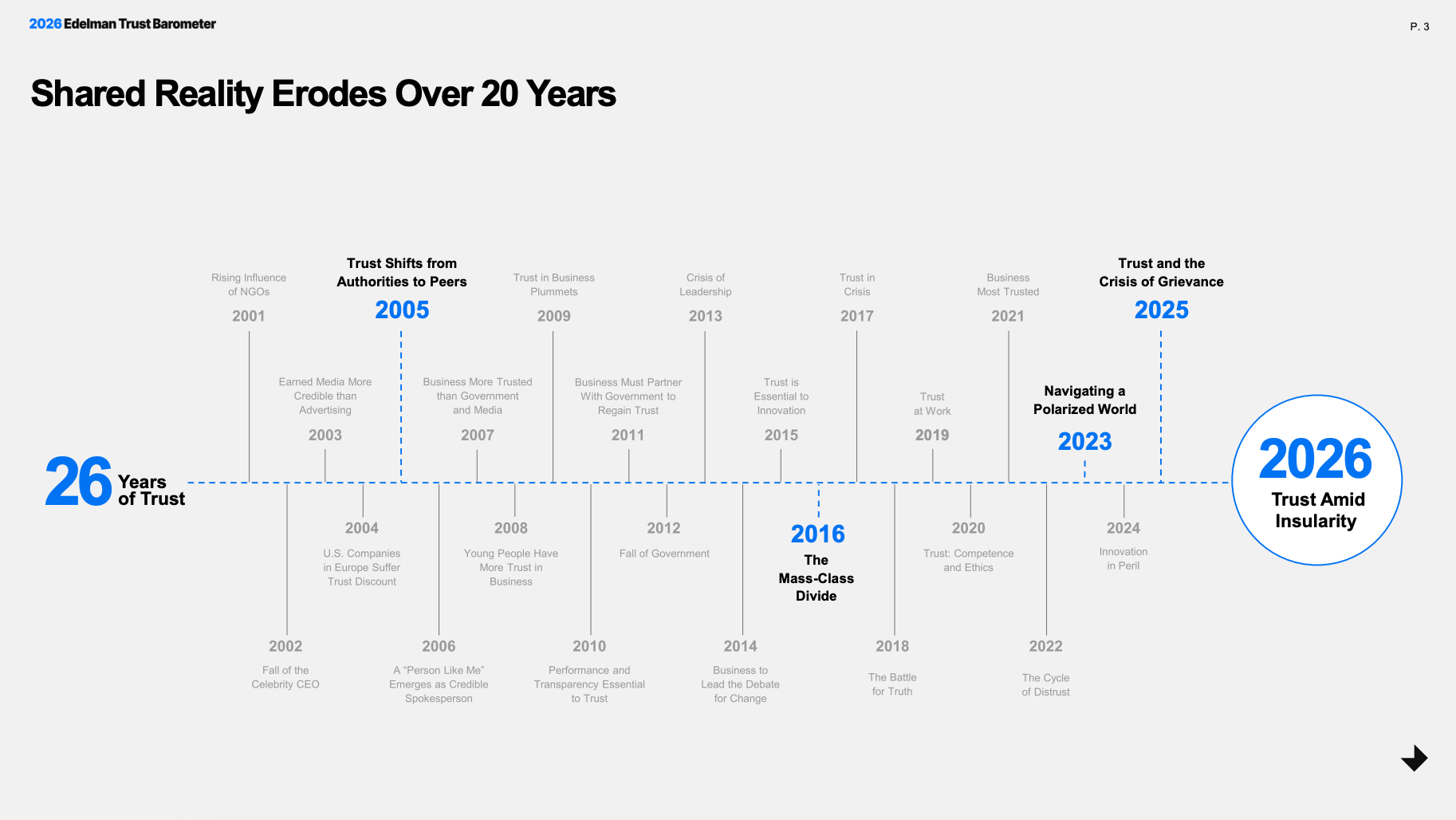
These dynamics aren’t new. Public trust has been moving from centralized authority to private individuals over the last two decades.
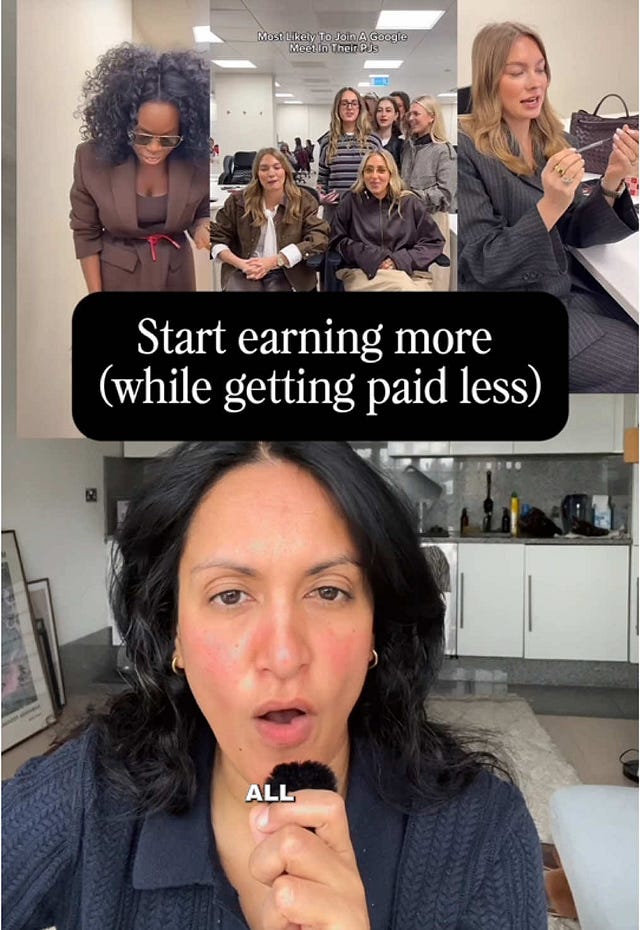
Companies have adapted by moving away from corporate messaging towards personal storytelling featuring founders and employees. Big brands like Starbucks and Ulta have taken it further by incentivizing staff to post about work on personal accounts. The idea is: if both employer and employee can benefit, why not do it together?
 Tiktok failed to load.
Enable 3rd party cookies or use another browser
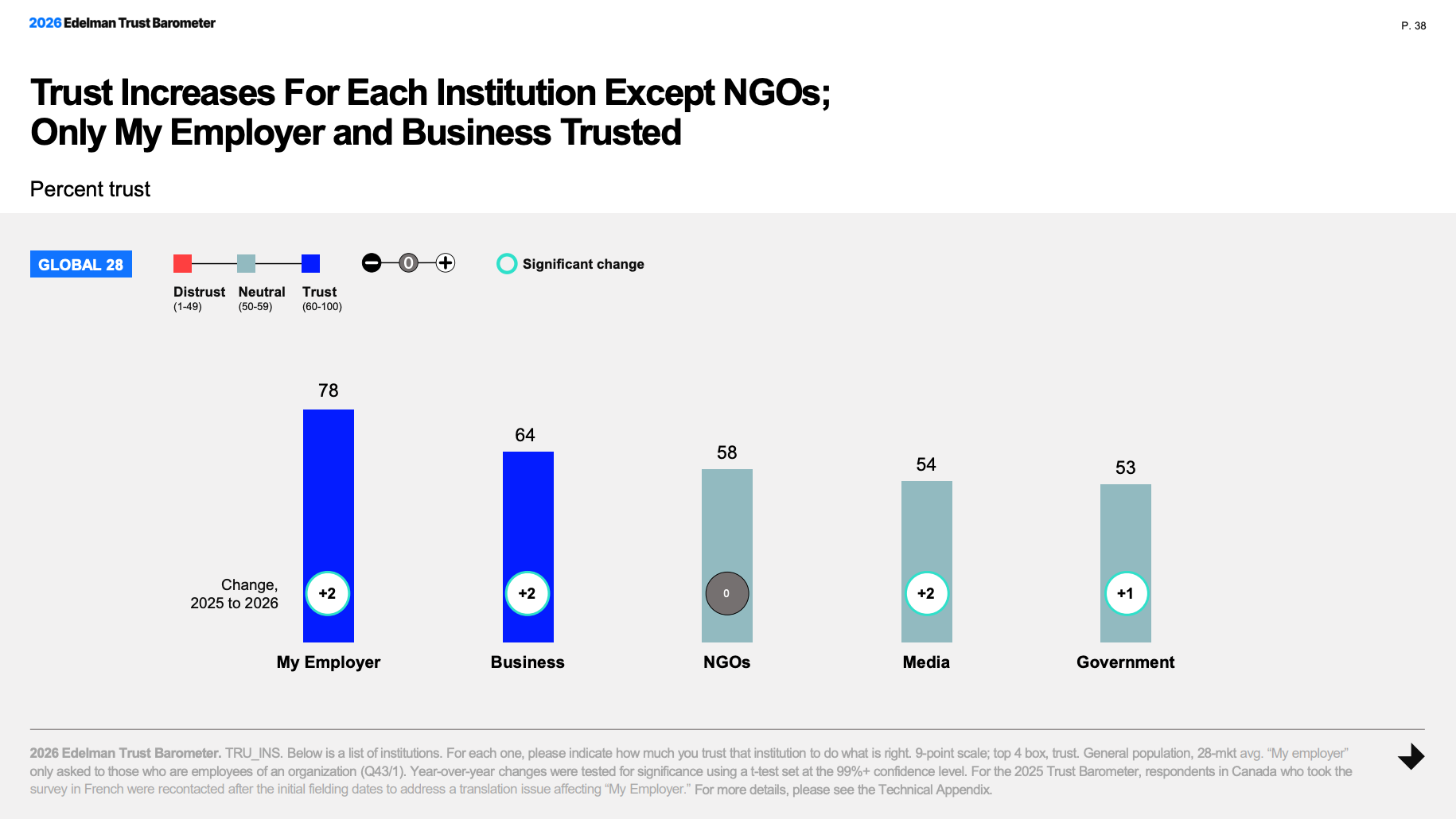
So far, it’s working. Business is now the only major institution that people still trust.
It’s understandable that government, academia, and healthcare take a more cautious approach to technology. Much of this work is publicly funded, involves sensitive data, or operates in highly-regulated spaces. And the tech sector’s track record doesn’t always inspire confidence. Caution is necessary and often built into institutional processes. Sometimes, skepticism even feels like a badge of honor.
But two things can be true: opting out can be an act of principle, and absence has consequences.
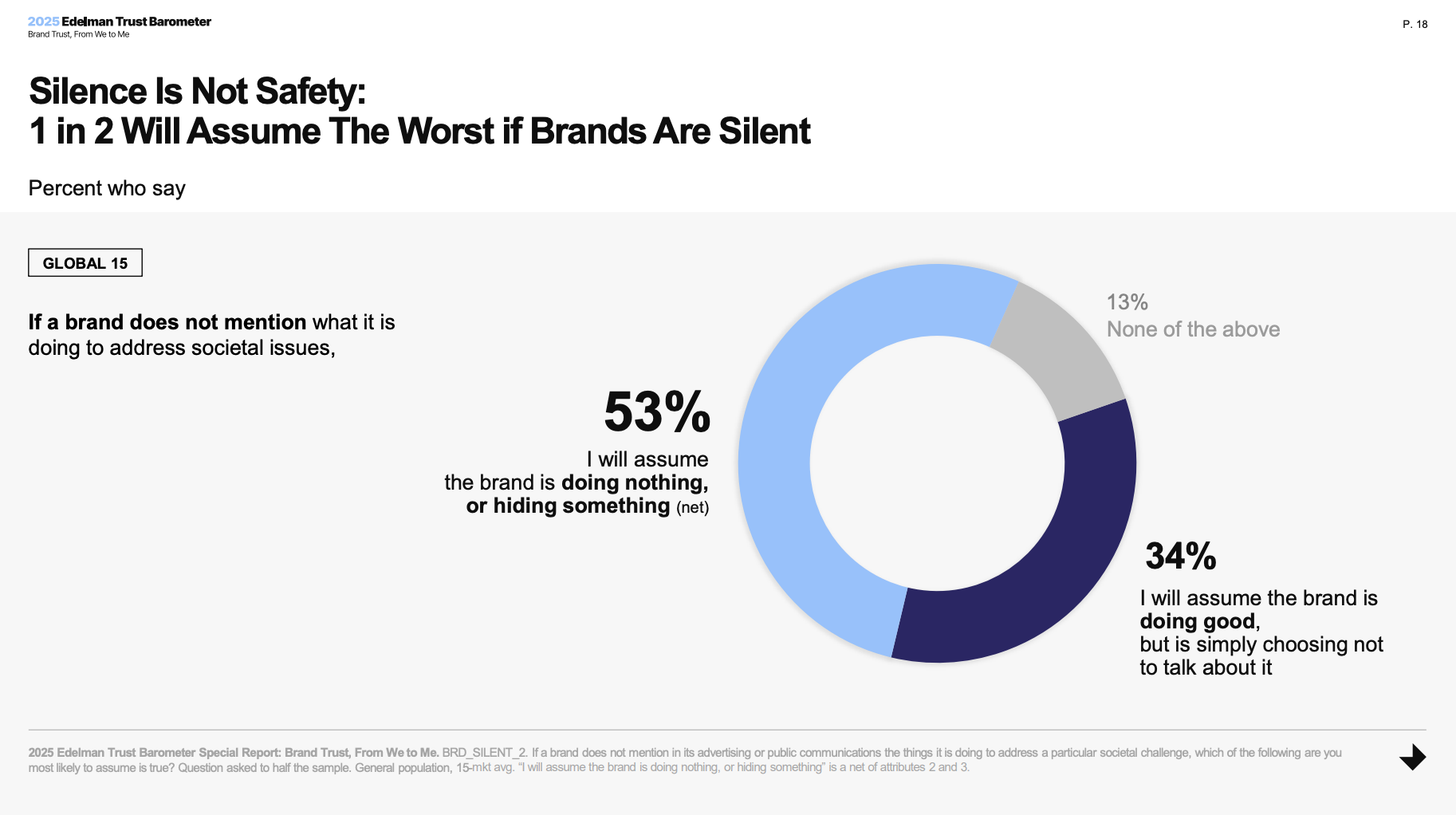
In today’s digital ecosystem, absence connotes silence. And silence isn’t neutral. In fact, 53% of people assume the worst of entities that stay silent on social issues.
For those who built their careers inside these institutions, the consequences are personal: the perceived value of expertise itself is eroding. More young people question whether higher education is worth it and many plan to never work for a traditional employer. This isn’t shocking in a world where institutional credentials don’t seem to impact your career trajectory.
 Tiktok failed to load.
Enable 3rd party cookies or use another browser
◾
Some experts are stepping into this gap on their own. Doctors and nurses post health information to educate the public and counter false messaging. Academics write newsletters to share and refine ideas faster than the peer review process allows. Politicians make digital-first videos to humanize the political process.
Most do this without institutional support and sometimes face criticism from colleagues for even trying.
 Tiktok failed to load.
Enable 3rd party cookies or use another browser
Among health, government, and academia, the medical field is likely the most advanced in this regard. Many medical programs offer communication training for provider-patient interactions. But when over half of Americans do their own health research online, providers may already be on the back foot by the time the patient comes in to clinic.
Digital literacy and social media training are still rare in medical school. In 2010, the Mayo Clinic launched its Center for Social Media and Social Media Health Network, which offered training and social media rotations for medical residents. They even live-streamed the Center director’s colonoscopy to raise awareness and help reduce fear. The program was ahead of its time, but it was sunset five years ago.
Government isn’t much further along. 62% of OECD member countries have social media guidelines for government agencies, but these focus on privacy and risk mitigation. Only 18% provide practical resources to help civil servants use digital platforms for citizen outreach.
With only 1% of social media users shaping public knowledge for the other 99%, there is real space online for expert voices. But whether experts feel comfortable participating often depends on the institutions they work for.
So what can institutions actually do?
◾
Let’s start with clear social media policies. Most organizations have policies governing their official accounts. What’s less common are guidelines for employees who want to build an independent presence online.
For experts already inclined towards caution, a lack of policy isn’t neutral. It effectively acts as an implicit prohibition. It’s human nature to avoid doing things you believe might jeopardize your job. Case in point: the policy at Columbia University School of Nursing highly discourages clinicians from providing medical advice on their social accounts. That’s enough to deter anyone from even debating the semantics of general health information versus medical advice.
Clear guidelines serve two purposes: they signal permission and they protect the institution.
For experts already inclined towards caution, a lack of policy isn’t neutral. It effectively acts as an implicit prohibition.
From a legal and privacy perspective, the model exists — individual accounts can mirror guidelines for institutional accounts. For medical professionals, protecting against legal liability and ensuring patient privacy are key. For all sectors, individual accounts should be marked clearly, indicating that they reflect the person, not the institution. A code of conduct for online interactions should apply to both institutional and individual accounts.
Stanford University’s social media policy provides a solid starting point. But when it comes to staff’s individual accounts, there are more specific questions to consider. For example:
Employer branding: How can an employee reference their employer’s name and logo online?
Messaging alignment: How much can employees disagree with or speak beyond their employer’s official positions on topics?
Political advocacy: Are there limits on discussing political issues or candidates — whether it’s related to their field or not?
Brand partnerships: Do employees need to disclose or get employer approval for paid collaborations or endorsements?
Facility and equipment use: Can staff create content on-site or use work devices?
Post-employment: Should employees agree to non-disparagement if their employment ends?
Much of my career has involved developing governance frameworks like these. I know how complex it can be to get legal, compliance, privacy, comms, operations, and other stakeholders together to address these kinds of questions.
Every institution will have different risk thresholds. But every one can make a clear policy.
◾
But policy alone isn’t enough. You can’t inspire action with just a list of things to avoid. You also need to empower.
In practice, enabling expert participation requires three things: building real capacity, removing practical constraints, and normalizing new professional behavior.
Here are some initial building blocks:
Digital literacy training as a foundational skill
Most experts already have social media accounts, but hesitate to post. So it doesn’t make sense to start with content training. That’s like trying to teach someone how to dive before they’re comfortable swimming.
That’s why I start with digital literacy instead: helping experts understand how information flows online, how people decide whom to trust, and how they shape the information ecosystem — even without posting. These foundational skills are essential for all public interest experts, regardless of whether they ever create content.
Social media training for those who want to be more active
When an expert decides they want to engage more actively online, practical support can make all the difference in their enjoyment and success with it. That might include guidance on choosing platforms, or opportunities to practice in safe, judgment-free environments.
Different experts will have different goals; there is no one-size-fits-all solution. Some may build a personal website. Others might write essays for peers. Or they may choose to speak to a broader public through videos and podcasts.
Being a creator also carries responsibilities. Access to media literacy training helps experts be intentional about representation, transparent about sources, and build a public presence while protecting their privacy.
You can’t inspire action with just a list of things to avoid. You also need to empower.
Time and space
Public engagement is legitimate professional work, and should be treated as such. One practical step is for employers to designate space on-site for writing or recording. Ideally, experts could carve out protected time for public communications as part of their work.
Social listening briefings
Institutions can provide regular updates to help their staff track public discourse about their field. Whether experts spend time online or not, they benefit from knowing how their field is being publicly discussed. No one can do their job effectively in a bubble.
Coalition-building and community
Part of normalizing new professional behavior is to make it a field-wide effort.
For example, when I led Meta’s COVID-19 response, we created a tech coalition that met weekly with the World Health Organization (WHO) to support its global information campaign. Meta and Google helped the WHO to create and distribute content. Tinder – yes, the dating app – provided translation support (after all, they are experts in local slang and nuance!).
In short, competitors found ways to collaborate for a common goal. This partnership made each organization more effective at the work it was already trying to do.
◾
Change won’t happen overnight. But step by step, university by university, clinic by clinic, institutions can help experts engage online sustainably.
Trust in institutions is fragile. Enabling experts to connect with the public isn’t about PR or fundraising. It’s a strategy for ensuring the long-term resilience of the fields experts serve.
I loved this thorough breakdown. I feel like the parts about people not wanting a traditional job trajectory and the mistrust people have with institutions, especially medical ones, is so so real.