

🎧 Listen | 7:34 mins
Last week, Reese Witherspoon called on women to learn about AI. The thing I’ve learned about technology, she said, is that if you don’t get a little bit of understanding at the beginning, it just speeds past you.
The reaction has been strong and mixed – especially from the entertainment industry, which is going through its own tech-driven upheaval. There are many legitimate questions about how AI impacts actors, writers, production crews, and creative originality as a whole. And there’s skepticism about whether Reese, a savvy businesswoman and longtime champion of women authors, has some financial interest involved. As many point out, she’s jumped on tech trends before, like NFTs and cryptocurrency. (Reese has since said that she isn’t being paid to talk about this).
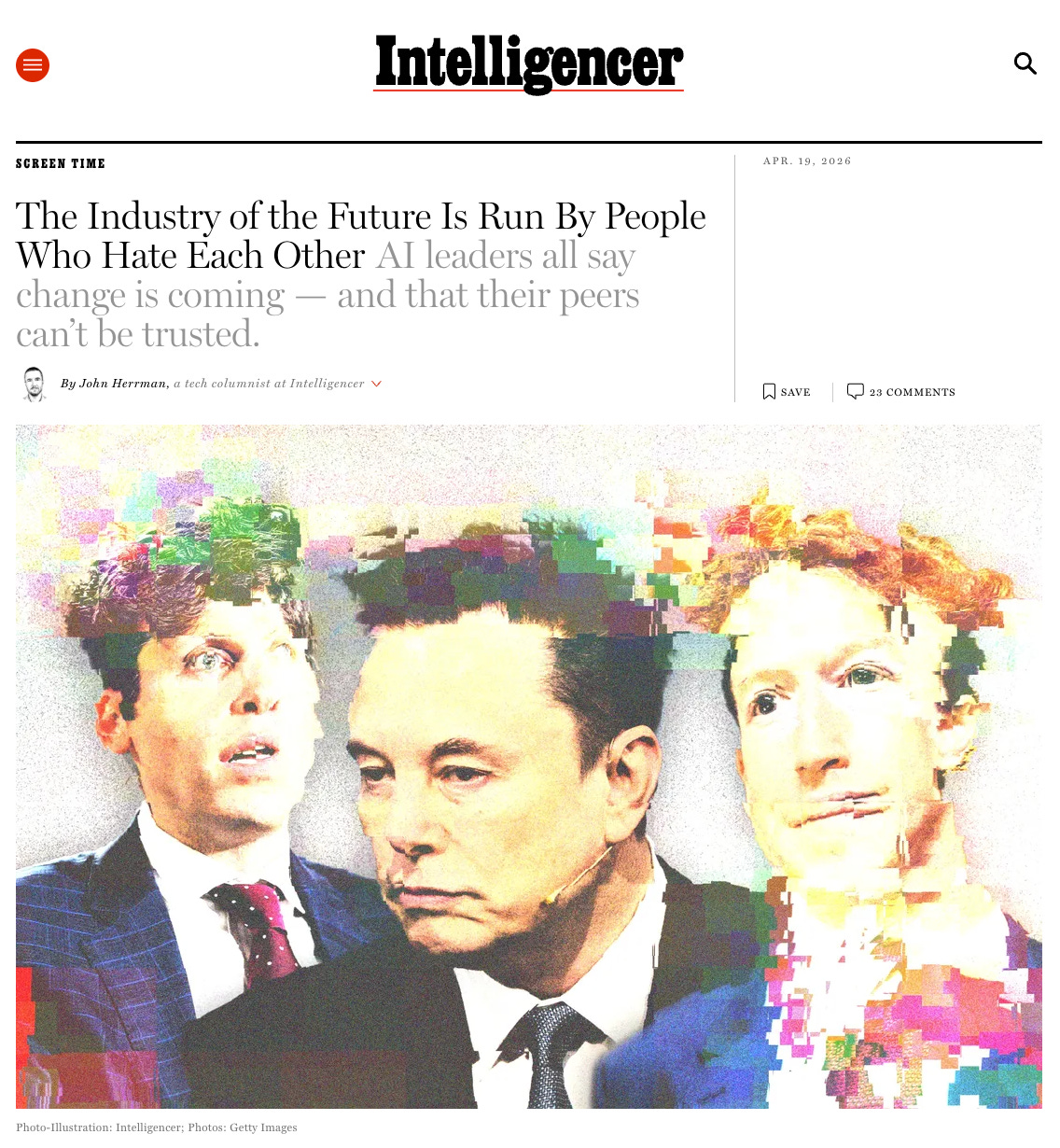
Those in the No AI camp have good reasons to be there: AI (and its extra-controversial cousin, GenAI) raise legitimate concerns about ethics, environmental impact, critical thinking, and the concentration of power among the (mostly) men building it.
All of this is true.
But the point Reese and others (hi, Sandra Bullock) are raising isn’t about whether AI is good or bad. Their point is: it’s here.
But is it really here to stay? Some argue that AI doesn’t have to be inevitable. And plenty of previous tech hype hasn’t stuck around.
 Tiktok failed to load.
Enable 3rd party cookies or use another browser
I agree that inevitability was a talking point before AI was even real, and that there are significant financial incentives at play.
But even constructed momentum can take a life of its own. AI is now embedded in hiring systems, health platforms, government services, and the information environments shaping public knowledge. At some point, the question becomes less about whether it should exist. It's about how you navigate a world that already has it — whether or not you choose to use it yourself.
AI isn’t just technical. It reflects and magnifies the structural gaps that already exist in the real world.
That’s why AI is a women’s issue.
◾
According to the UN, women’s jobs are three times more likely than men’s to be replaced by AI. This largely stems from how AI is being deployed to automate operational and administrative roles often held by women.
But AI’s impact goes beyond just task replacement.
It’s also changing how work itself is structured: how organizations allocate labor, evaluate performance, and decide which human skills to invest in. Across sectors, employers are already surveilling workers in the name of AI — and using it to justify mass layoffs.
These shifts don’t happen in a vacuum. They’re being absorbed within structures that already disadvantage women through lower representation in leadership, unequal advancement opportunities, and disproportionate responsibility for work that is essential but undervalued. For non-White women, the existing work environment can be especially precarious.
In medicine, for example, women make up roughly half of medical students, yet around 40% leave full-time practice within six years of residency. That’s due to systemic failures like limited caregiving support, workplace harassment, and unfair pay.
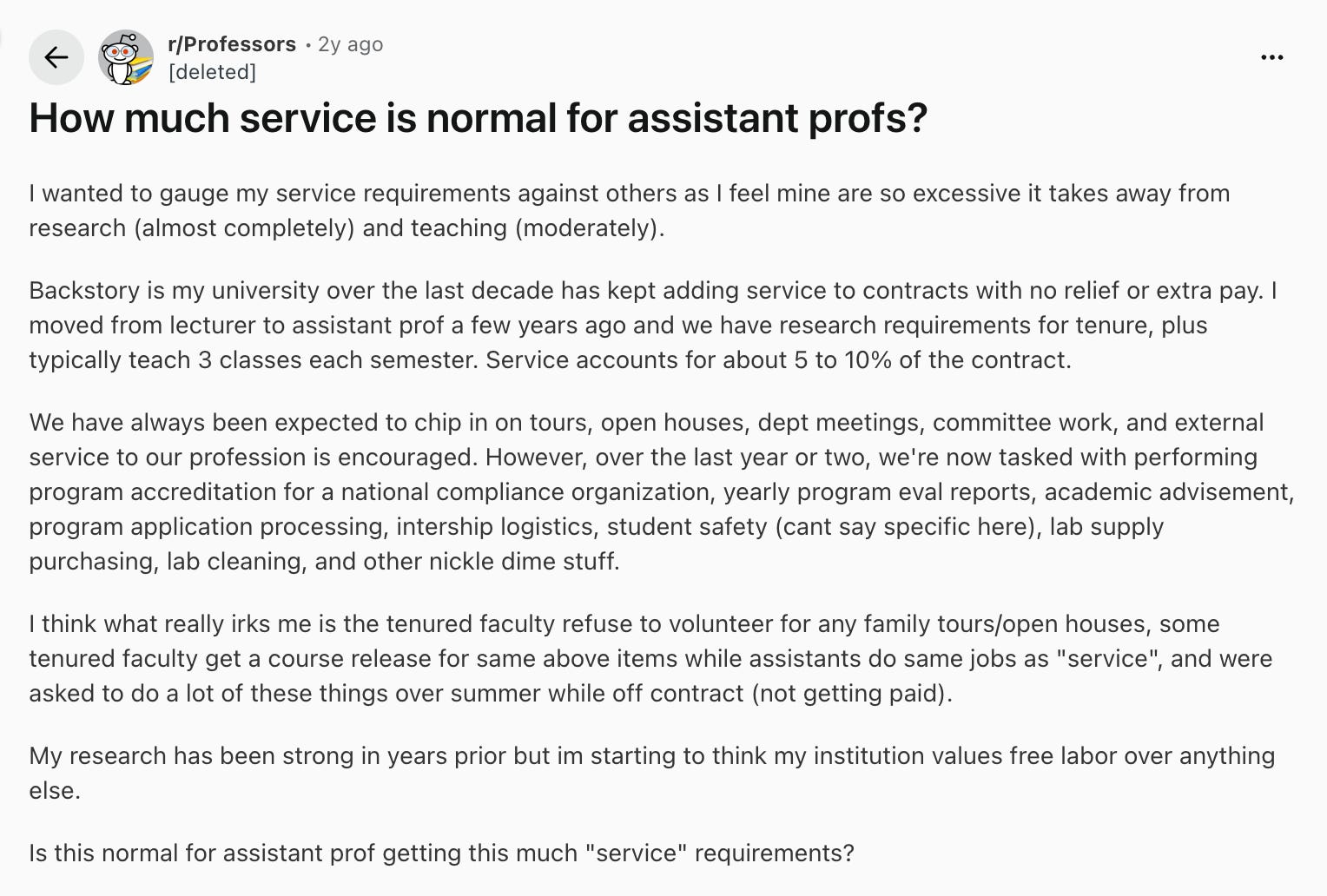
In academia, women dominate non-tenure-track roles, but represent just 36% of full professors. Even within tenure-track positions, they carry a disproportionate share of service work – committees, mentorship, and community-building – on top of teaching and research.
And in government, women are better represented than in the private sector, but still face lower promotion rates than men. At senior levels, they also experience higher burnout and attrition.
While we can’t fully predict how AI will reshape work, we do know that women have less structural buffer to absorb these shifts. They are overrepresented in roles that are vulnerable to automation and underrepresented in the leadership positions that decide how to use AI.
◾
But AI isn’t just changing how women work. It’s also showing up in how they live — often filling gaps that institutions have long failed to address.
One of the clearest examples is women’s health – historically one of the most underfunded and underserved areas of medicine. AI is now driving a wave of new products focused on issues like fertility, endometriosis, breast and cervical cancer detection, and menopause.
And it’s not just tech bros building these products. AI coding is making it easier for those closer to these problems — such as former care providers — to create tools themselves. In doing so, experts aren’t just adopting technology; they’re changing what the tech sector looks like.
◾
If we want to learn from the past, we need to recognize that technology has long filled gaps left by institutions.
Social media grew in part because it helped women and other marginalized groups connect and find information in ways that mainstream channels didn’t.
Digital platforms are undeniably women’s spaces. 84% of all social media creators are women. And it might surprise you that Reddit – an erstwhile nerd haven – is now one of the fastest growing platforms for women.
Like much of the media made by and for women, online content is often dismissed as trivial or unserious. As I’ve written about before, that’s a mistake we can’t afford to make again. Digital platforms are central to how people share knowledge, find information, and decide whom to trust.
That matters more than ever because AI systems are being built on top of them. Reddit is increasingly cited in AI systems, and has formal content partnerships with both OpenAI and Google. LinkedIn and YouTube are also frequent sources for AI.
 Tiktok failed to load.
Enable 3rd party cookies or use another browser
And in many cases, AI prioritizes information based solely on its perceived usefulness – not on the creator’s credentials. That changes the calculus for any expert wanting to shape how their field is presented and understood by the public.
The information gaps created by the absence of experts online won’t resolve themselves in the AI age. They’ll compound.
◾
Let me be clear: being skeptical about AI does not mean that you don’t understand it. Many people who are closest to these systems are also its strongest critics.
But understanding something and choosing not to use it are different from being unaffected by it. In health, research, and public service, AI is already shaping workflows, decision-making, and how the people you serve find information.
And when things move this fast, it’s an ongoing process to keep pace with technology, and how it affects the people and issues you care about. So yes, learn with Reese. Or explore with me. Or with whomever talks about this in ways that resonate with you.
That you have so many options for exploring and debating AI – and so many voices to choose from – is itself a product of this transformation. ◾
As always, I love hearing your takes. It's shocking to see what a blindspot my knowledge for Ai has for women in particular, and how it's going to shape the future workforce, and for me specifically trying to move forward with my career. How do you suggest we navigate this period with learning about Ai and our place in it?