

🎧 Listen | 5:54 mins
Friends,
Since emerging from my lurker identity, I’ve been dreaming of starting a podcast. I adore the medium of audio. At the risk of sounding much older than I actually am, I grew up listening to George Burns and Gracie Allen.1 In high school, I volunteered at Alabama Public Radio. As a young adult, I crushed on Ira Glass.
There’s a certain intimacy to audio. Having someone’s voice in your ears while going about your day integrates them into your routine in a way that’s not possible when you have to stop to watch something. And sometimes, visuals can distract you from listening to a speaker’s actual words. From hearing the hesitation or energy in their voice.
But audio isn’t just about nostalgia and romance. It’s a critical part of the information landscape — one that doesn't get nearly enough attention.
◾
Audio endures because it fits into the rhythms of everyday life. If you’re commuting, cleaning, getting ready in the morning, going for a run, cooking, or doing a night-time feeding, audio can accompany you in all of that. And even as digital technologies continue to expand, radio in particular remains critical to the ecosystem because a quarter of the world is still not online – a gap that exists in the United States and Europe as well.
For those with digital access, podcasts’ role in shaping public opinion and politics has become impossible to ignore. In the United States, The Joe Rogan Experience – widely credited with influencing the 2024 Presidential election – has dominated Spotify’s podcast rankings for the last six years, and now tops Apple and YouTube charts as well.
Though audio is broadly seen as effective for engaging disaffected and vulnerable audiences, it faces relatively little scrutiny. And it remains underused as a public information tool.
I’ve seen this play out in my own work. In the push to go digital, institutions running public service campaigns tend to focus on Facebook, Instagram, TikTok, or even the dreaded chatbot. And when individual experts begin to experiment with making content, many gravitate naturally toward writing on platforms like Substack or Medium. Despite its endurance and influence around the world, audio often falls through the cracks in conversations about the digital ecosystem.
◾
That’s why I’ve been so eager to experiment with it myself – and why I knew I could only do it with the brilliant Michelle Ciulla Lipkin.
Michelle and I have been friends and colleagues for over seven years. Like many adult friendships, we met through work. I had just secured the information ecosystem pilot at Meta, when I connected with the National Association for Media Literacy Education (NAMLE), where Michelle was serving as Executive Director.
What started as a partnership around user education evolved into years of collaboration that included producing new research and doing international advocacy. In Australia and New Zealand, Michelle and I met with researchers and government officials about their upcoming elections, media literacy, and public trust.
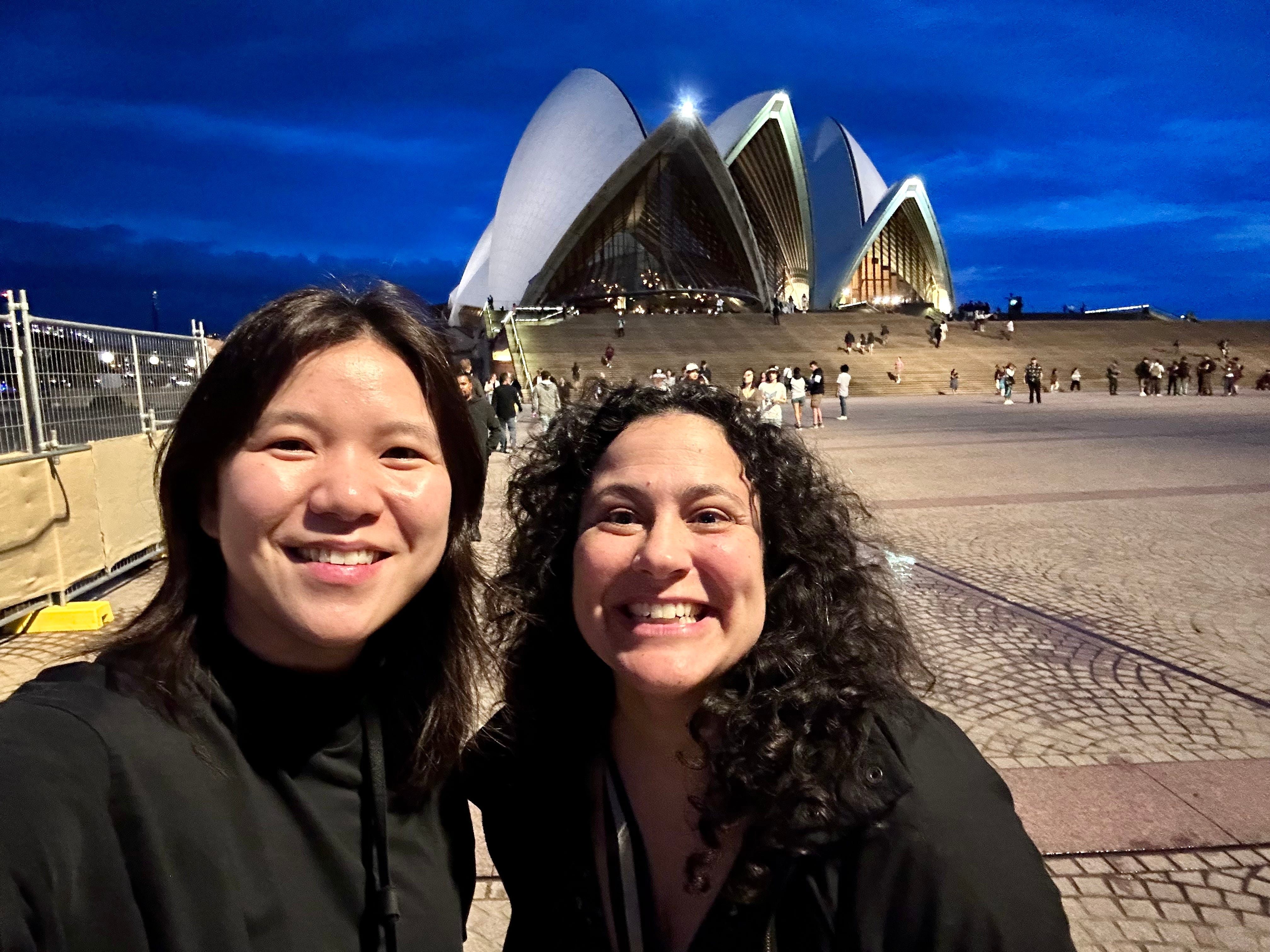
What I love about spending time with Michelle is that we bring very different experiences to the table. She has spent 25 years in media and education; I’ve spent 15 years in tech and policy. But we share the same curiosity about how media and technology shape people and societies. And though we’re both in different roles now, our commitment to helping people develop more intentional relationships with media, technology, and information has only grown.
We don’t always agree, but every conversation with Michelle teaches me something new. That’s what Did You See? is about.
◾
In each episode, Michelle and I use specific media moments – from news to entertainment – as starting points to dig deeper into their connections to culture, technology, politics, and the way we understand the world.
My work with Feed for Thought is dedicated to exploring the future of expertise, institutions, and trust. But media shapes far more than professional life or public discourse. It affects daily life: what we pay attention to, what feels true, and how we relate to one another.
That’s the humanity that institutions and the experts within them are meant to serve. We’re all just people living in this world together.
With so many forces colliding at once, our media landscape can feel overwhelming. Michelle and I wanted to create a space to slow down and process it together. I hope you’ll join us.
◾
Listen to our first episode: Did you see that Australia banned social media for kids?
We talk about how a lot of Australian teens are still able to access platforms, whether the policy is working, and whether bans are the right response to the teen mental health crisis. We also discuss the new novel, Yesteryear, and the Met Gala.
You can follow Did You See? with Jena and Michelle on Apple Podcasts or Spotify. I’ll also post episodes here on Feed for Thought.
And as always, I’d love to hear your thoughts, questions, and suggestions for the media moments you’re processing right now. Hit reply to this email; I read every note.
See you out there,
To be clear: I grew up in the 80s/90s, not the 50s. My mom loves old comedies, and we used to check out cassettes from the library for weekend road trips.
This podcast really made me think. I can't to hear your thoughts on Yesteryear - I just started reading it.